How to build a website in Arabic and English
Short answer
A bilingual website is not a translated copy. The Arabic version needs a mirrored right-to-left layout, a proper Arabic font, careful handling of numbers and dates, and its own address, so search engines show the right language to the right person.
Mirror the layout, not just the text
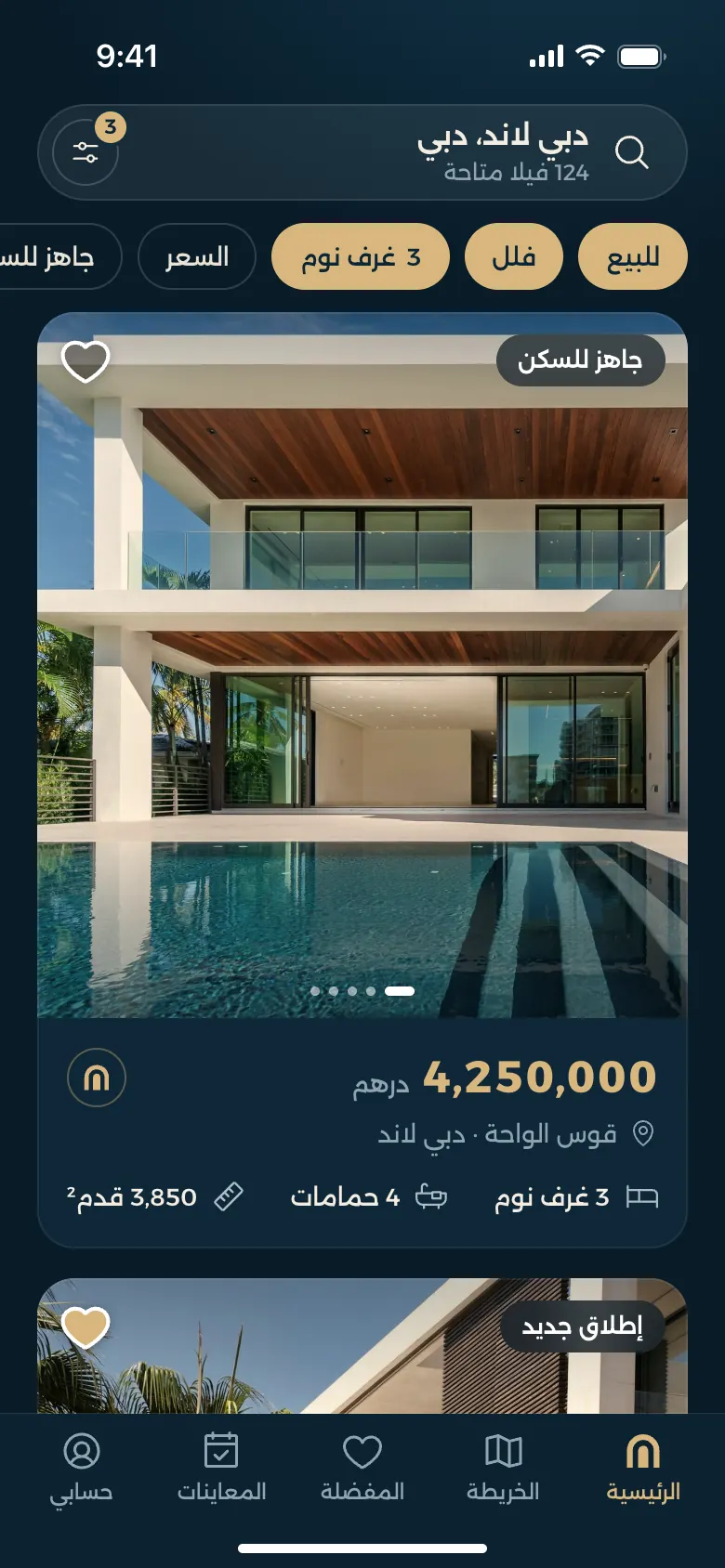
Arabic reads from right to left, so menus, arrows, progress bars and the order of columns flip too. Build the site this way from day one: adding Arabic to a finished English layout usually means rebuilding it.
- Back and next arrows point the other way.
- Icons that show direction flip; logos, play buttons and clocks do not.
- Forms, tables and menus start from the right.
Choose an Arabic font that matches your brand
Most Latin fonts have no Arabic letters. Pick an Arabic typeface with the same character as your Latin one, and set it a little larger: Arabic looks smaller at the same size.
Never add spacing between Arabic letters. It breaks how they join.
Numbers, dates and prices
- Choose Western digits (1, 2, 3) or Arabic-Indic digits (١، ٢، ٣) and use one style everywhere.
- A range like “1–2 weeks” can turn into “2–1” inside Arabic text. It has to be marked so it always reads in the right order.
- Phone numbers, prices and codes stay left to right inside Arabic sentences.
- Write currency the way local customers expect, for example “QAR 94” in English and “94 ر.ق” in Arabic.
Give each language its own address
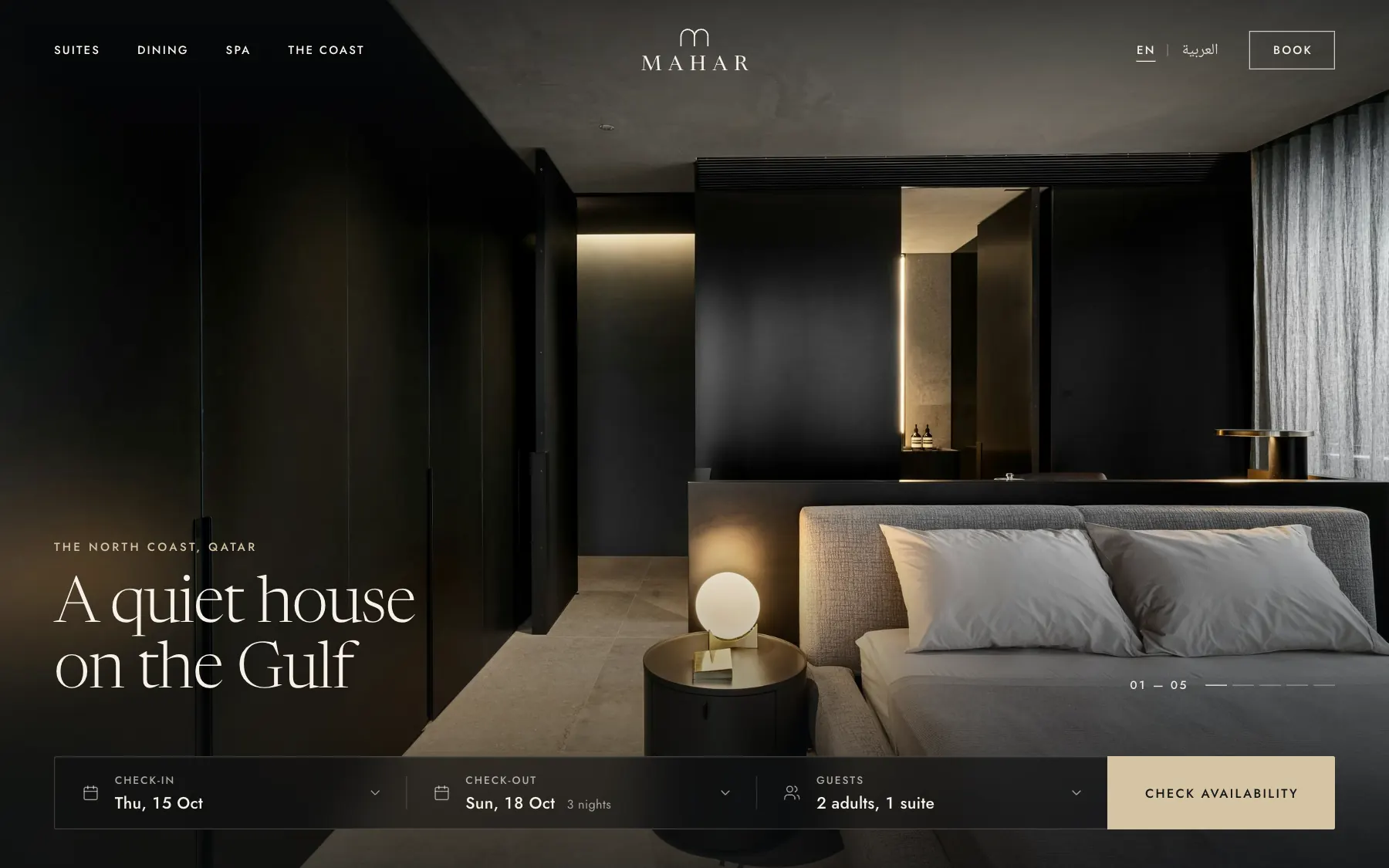
Put the Arabic pages at their own addresses, for example under /ar/, and tell search engines which page translates which. Then Google shows the Arabic page to Arabic speakers and the English page to everyone else.
Do not switch the language with a button on the same address. Search engines may only see one of the versions.
Translate for people, not word by word
Machine translation is a start, not a finish. A native speaker should check headlines, buttons and legal pages. Customers notice stiff wording at once.
Check before launch
- Every page exists in both languages.
- Forms, error messages and emails are translated too.
- The Arabic layout is checked on a real phone.
- Numbers and ranges read correctly.
- Search engines can see both versions.